Why Your Family Needs This 7-Step Survival Plan
Slideshows

Audio By Carbonatix
12:30 PM on Friday, August 25, 2023
By Alicia Searl, Slideshows

1. Have a Family Discussion
It’s important to have a “meeting" and sit down with your spouse to identify hazards in your area. Address concerns and things that could be a potential threat or problem. Those of us who live close to the coast tend to have an eye on the tropics that bring in hurricanes, whereas some areas may be prone to wildfires. It doesn’t hurt to have various plans for different situations. But, just start a discussion and bend an ear to your spouse's thoughts, needs, and concerns. Then, in time, share some of those age-appropriate details with your children. It’s also not a bad idea to bring in close family and get them involved because when troubling times come, it is good to have people to lean on.
Photo credit: ©GettyImages/kupicoo
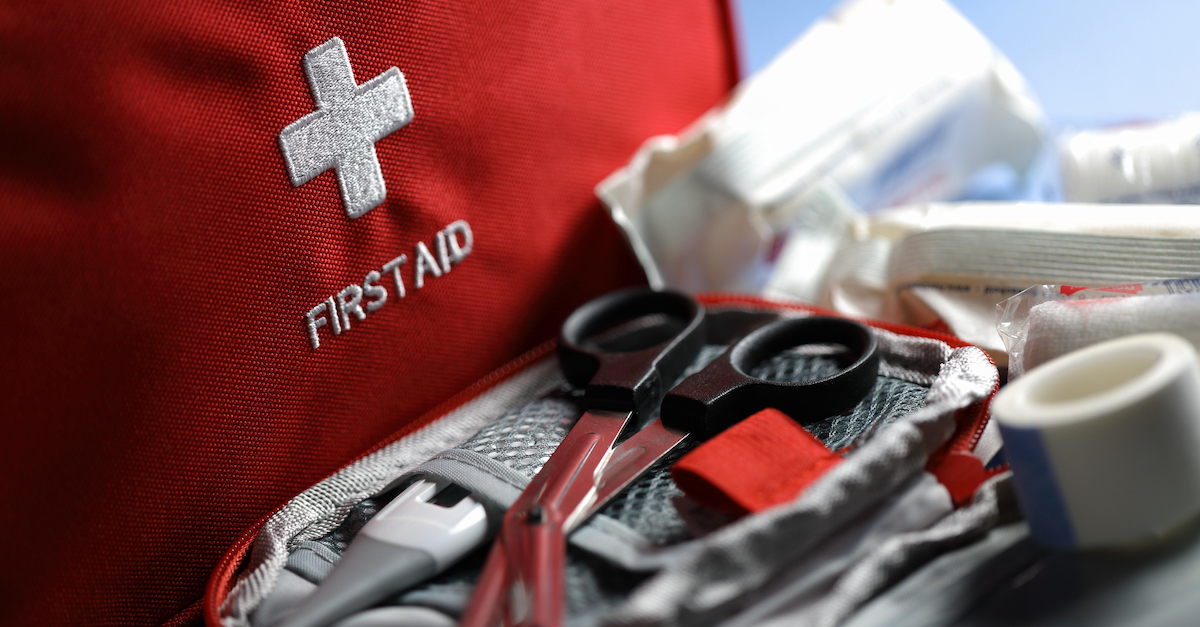
2. Create a Disaster Supply Kit
In order to prepare, you’re going to need supplies. You can either buy a premade kit or build it yourself. Depending on the size and needs of your family, you may want to choose the latter, as it is more cost-effective. However, if you want it already prepared, there are some you can purchase online. If you choose to prep one yourself, you can either place the supplies in a backpack or a big plastic container. This kit will include the basic essentials to survive.
What goes in a supply kit? Here is a basic checklist:
-First Aid Kit
-Water (Gallon per person)
-Life Straws (these let you drink from a source of water safely)
-Food (non-perishable works best; there are also supply kits for families you can order online)
-Flashlights and extra batteries)
-Dust mask (one for each family member)
-Basic tools in a small toolbox
-Blankets
-Hand sanitizer
-Disinfecting wipes
-Paper maps
-A whistle
-A bag of extra clothing and hygiene products for each family member
-Pet Supplies (pet food and extra water)
Keep this supply box handy and in a place you can easily get to if you need to grab something out of it quickly or need to evacuate suddenly. That way, you won’t be scrambling at the last minute.
Photo credit: ©GettyImages/bernie_photo
3. Brush Up on Your Survival Skills
Depending on the survival situation you could potentially be placed in, it is good to brush up on your survival skills. Tip: If you have never taken your family camping, now might be a great time to go and a perfect place to learn so much about God’s beauty and nurture while also learning how to stay safe and survive. Teach your family how to create and stoke a fire, set up a tent, cook on fire, the importance of navigation skills, what vegetation is harmful or dangerous, how to catch fish and animals for food, and so much more. Of course, you can always teach these skills at home, too. For instance, try growing a garden, which could be a valuable food source if need be, and learn ways to stay warm and preserve water. There are many lessons you can learn and teach your family right now that could be useful for the rest of their lives.
Photo credit: ©GettyImages/doble-d

4. Find New Ways to Communicate
In the event of an emergency, there is often a loss of communication as cell towers are down and the power grids are possibly affected. That being said, it is important to stay informed about what is going on to best serve your family and those around you, especially elderly or those with young children. By devising a plan now with close family members and neighbors, you will still have a way to communicate. First, keep a handwritten list of phone numbers handy in case phones become unable to make a call or you lose your contacts list. This actually happened to our family during Hurricane Harvey since so many were trying to make calls. We had to rely on remembering phone numbers because we could still text. Other ways to communicate include a whistle to signal for help, walkie-talkies for shorter distances, and a battery-operated or emergency radio to hear local news.
Photo credit: ©GettyImages/shironagasukujira
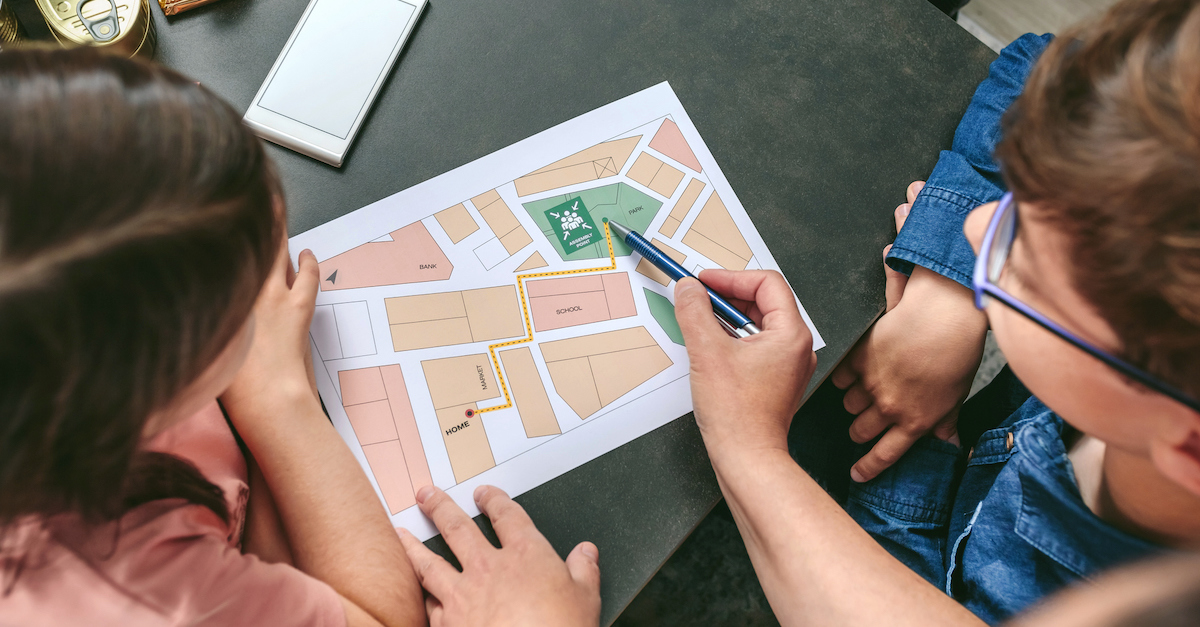
5. Identify a Shelter Plan
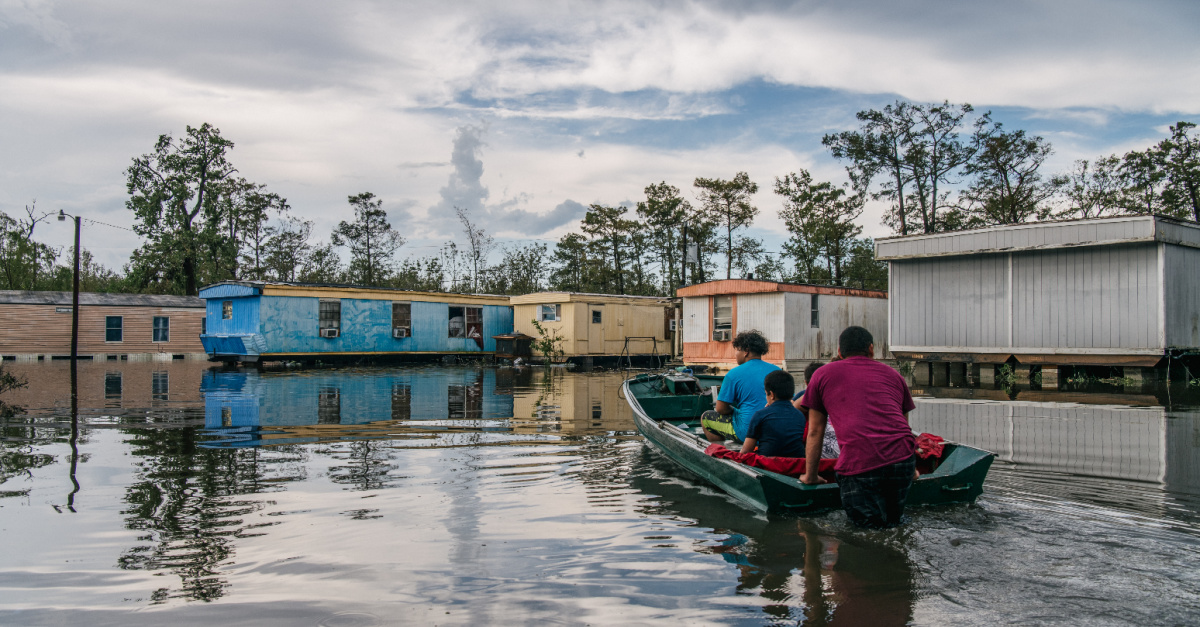
As some bad weather moves in and you have time to prepare, it may be wise to check in with family and friends that live outside the affected area. Find places you would be able to seek shelter in case you are forced to evacuate. If cell phones are down, you will need to rely on physical paper maps and chart out different paths to take in case of obstructions, high water, or traffic. If you cannot prepare and have to react quickly, such as with a tornado, designate that spot in your home now. Also, develop evacuation routes out of your house, finding two ways out of every room, if possible, in the event of a house fire. It is also a good idea to have camping gear readily available if needed, so if you need to leave your home and have nowhere else to go, you can find a national park to shelter in place until storms or local disaster subsides.
6. Assign Responsibilities
Lastly, it is so important that you give everyone a job to do in case of an emergency. When an event arises, you will find that stress will automatically kick in and take over. Having an assignment list by your door or survival bag will help take the pressure and weight off your shoulders by putting your spouse and children in charge of minimal things. This will relieve some of your stress and give them a chance to focus on helping instead of bending to the fear of the moment. Your children must understand the severity and importance of a survival plan. They must know exactly how to get out of certain situations, such as a house fire. In other words, they can take on and need that responsibility. Give them the task of tending to your pets and keeping the fur babies calm while you prep or pack up to evacuate. Make a written list available based on certain events so each family member can easily find their name attached to their age-appropriate responsibility to make things clear and easy in the heat of the moment.
Photo credit: ©GettyImages/designer491

7. Other Resources
There is a wealth of information out there to help you and your family stay safe during a devastating disaster, so staying informed and prepping ahead of time is key. Many books offer practical plans and helpful tips on survival in various events. Flip through some of them and learn how to grow a garden, set up a water system, store food safely, understand holistic medicine, and so much more. Many prep guidebooks offer step-by-step simple projects to begin now and have set up in case you need to survive in your home without power or water for a while. Connect with survivalists online, gain their wisdom, and begin prepping your family mentally, emotionally, and physically right now.

Trust, Plan, and Prepare
Nobody likes to think about these situations, and upon seeing some of the recent heartbreaking calamities happening worldwide, it may easily want to stoke fear. But, friend, we must realize no matter what, our God is in control. We have nothing to fear as we trust wholeheartedly in Him! So, trust, then plan and prepare.
So do not fear, for I am with you; do not be dismayed, for I am your God. I will strengthen you and help you; I will uphold you with my righteous right hand. Isaiah 41:10


